
Dry Needling for Pain Relief, Mobility and Recovery
A muscle can feel “tight” for several reasons. Sometimes it is overworked. Sometimes it is guarding because a joint, nerve, or nearby tissue is irritated. Sometimes the nervous system keeps the area on high alert long after the first flare-up started.
That is why dry needling is more than a way to loosen a tight muscle. When used well, it can help reduce pain, improve mobility, and calm irritated muscles and nerves, especially when paired with movement-based care.
At First Line Health & Wellness in Largo, FL, dry needling is used as part of a broader recovery plan. The goal is not simply to chase sore spots. The goal is to help the body tolerate movement again, restore better function, and support a return to the activities that matter.
This article is for general education only and is not a substitute for a medical evaluation or individualized care plan.

Dry needling works through more than muscle release
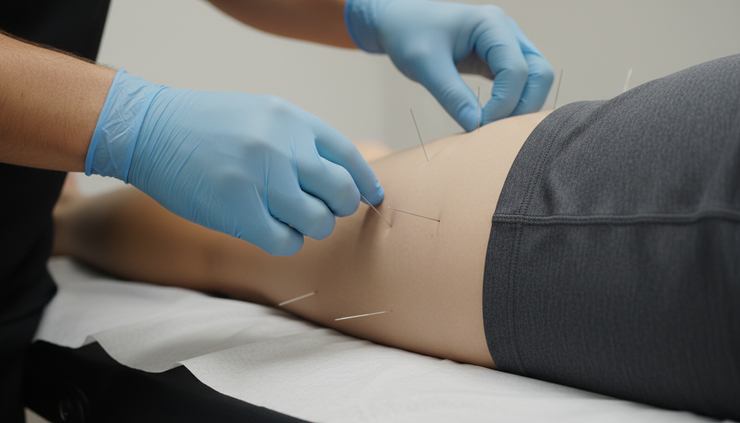
Dry needling uses a very thin, solid filament needle placed into specific soft tissue structures based on an exam and clinical reasoning. It is called “dry” because no medication is injected.
Many people think of dry needling as a trigger point treatment. That can be part of it, but the effect may go deeper than a local twitch or a temporary change in muscle tone.
A skilled clinician may use dry needling to influence:
Pain sensitivity
Irritated tissue can become more sensitive over time. Needling may help reduce that sensitivity in the targeted area.
Muscle guarding
When pain makes the body protective, muscles may stay tense even when they do not need to. Dry needling may help quiet that guarding response.
Mobility limits
If pain or muscle tone blocks motion, reducing irritation can make movement feel easier.
Nerve-related symptoms
In some cases, treating muscles around an irritated nerve may help reduce symptoms such as numbness, tingling, or radiating discomfort.
The key is choosing the right target for the right reason. A sore spot is not always the source of the problem.
Why movement matters after needling
Dry needling can create a window where the body feels less guarded and more willing to move. That window matters.
If treatment stops there, the results may fade quickly. When needling is followed by the right movement, the nervous system gets a chance to relearn that motion is safe.
That may include:
Gentle range-of-motion work
Breathing drills to reduce bracing
Hip, spine, jaw, or shoulder mobility exercises
Strength work that matches the person’s tolerance
Gradual return to sport, lifting, running, or daily activity
This is why dry needling often works best as part of a full plan. The needle may help calm the system. Movement helps build the change.
When dry needling may help
Dry needling is not used the same way for every person. The best use depends on the exam, symptom behavior, health history, and treatment goals.
At First Line Health & Wellness, the team has seen encouraging responses in several common pain patterns.
Acute low back pain
Low back pain can cause strong muscle guarding. The body may tighten around the painful area to protect it, but that protection can make bending, standing, walking, and sleeping harder.
In a recent acute low back pain case, pain decreased from 8 out of 10 to 4 out of 10 by the following day after dry needling was included in care.
That kind of response does not mean every back pain case will improve the same way. It does show how reducing irritation can sometimes help someone move more comfortably early in the recovery process.
For low back pain, the plan may also include hip mobility, trunk control, graded loading, and education on positions that calm symptoms.
TMJ dysfunction
Jaw pain and TMJ dysfunction can involve the muscles of chewing, the neck, posture habits, stress-related clenching, and joint sensitivity. Dry needling may be used when the exam suggests specific muscles are contributing to pain or limited jaw motion.
At First Line Health & Wellness, some people with TMJ dysfunction have improved mouth opening without pain at end range, with relief lasting up to 2 days after the initial treatment.
That early relief can be useful. It may make it easier to practice controlled jaw opening, breathing, tongue position, and neck mobility without provoking symptoms.
Sciatica symptoms
Sciatica is often used to describe pain, numbness, or tingling that travels from the low back or hip into the leg. True nerve root irritation and symptoms from deep hip structures can feel similar, so assessment matters.
In some cases, treating involved hip muscles can reduce pressure or irritation around sensitive tissues. This may include the piriformis when clinically appropriate.
At First Line Health & Wellness, decreased numbness has been seen after treatment of involved hip musculature in people with sciatica-type symptoms.
The bigger plan may include hip strength, nerve mobility, spine positioning, walking tolerance, and progressive loading.

What treatment may feel like
Dry needling feels different from person to person. Some people feel a quick twitch, dull ache, pressure, or mild cramp-like sensation. Others feel very little during the treatment.
Afterward, mild soreness is common. It may feel similar to post-workout soreness and often settles within a short period. Many people are able to continue normal daily activity, based on their clinician’s guidance.
A good session should include more than placing needles. It should include a clear reason for treatment, a discussion of comfort level, and a plan for what to do next.
Before dry needling, the clinician should review relevant health factors such as:
Bleeding disorders or blood thinner use
Pregnancy
Needle sensitivity or past fainting
Skin infection or open wounds
Recent surgery or medical precautions
Neurological symptoms that need further evaluation
Safety and clinical fit come first.
Dry needling is not for everyone
Dry needling can be a helpful tool, but it is not a one-size-fits-all treatment. It may not be the best choice for someone who is highly needle-sensitive, not comfortable with the approach, or showing signs that need medical referral.
It also should not replace the basics of good rehab. Pain relief is valuable, but recovery usually needs more than symptom change.
The most useful plan often answers three questions:
What is driving the pain or mobility limit?
What can calm the symptoms now?
What needs to get stronger, more mobile, or more tolerant over time?
Dry needling may help with the second question. Movement-based care helps answer the third.

The takeaway
Dry needling is more than “loosening a tight muscle.” For the right person, it can help reduce pain, calm irritated tissues, and create a better starting point for movement.
The strongest results often come when dry needling is used as one part of a bigger plan. That plan should include assessment, education, mobility work, strength, and gradual return to activity.
At First Line Health & Wellness in Largo, FL, the focus is simple: recovery, movement, and performance. The goal is not just to feel better for a day. It is to move better, build confidence, and get back to doing what you enjoy.


Comments